
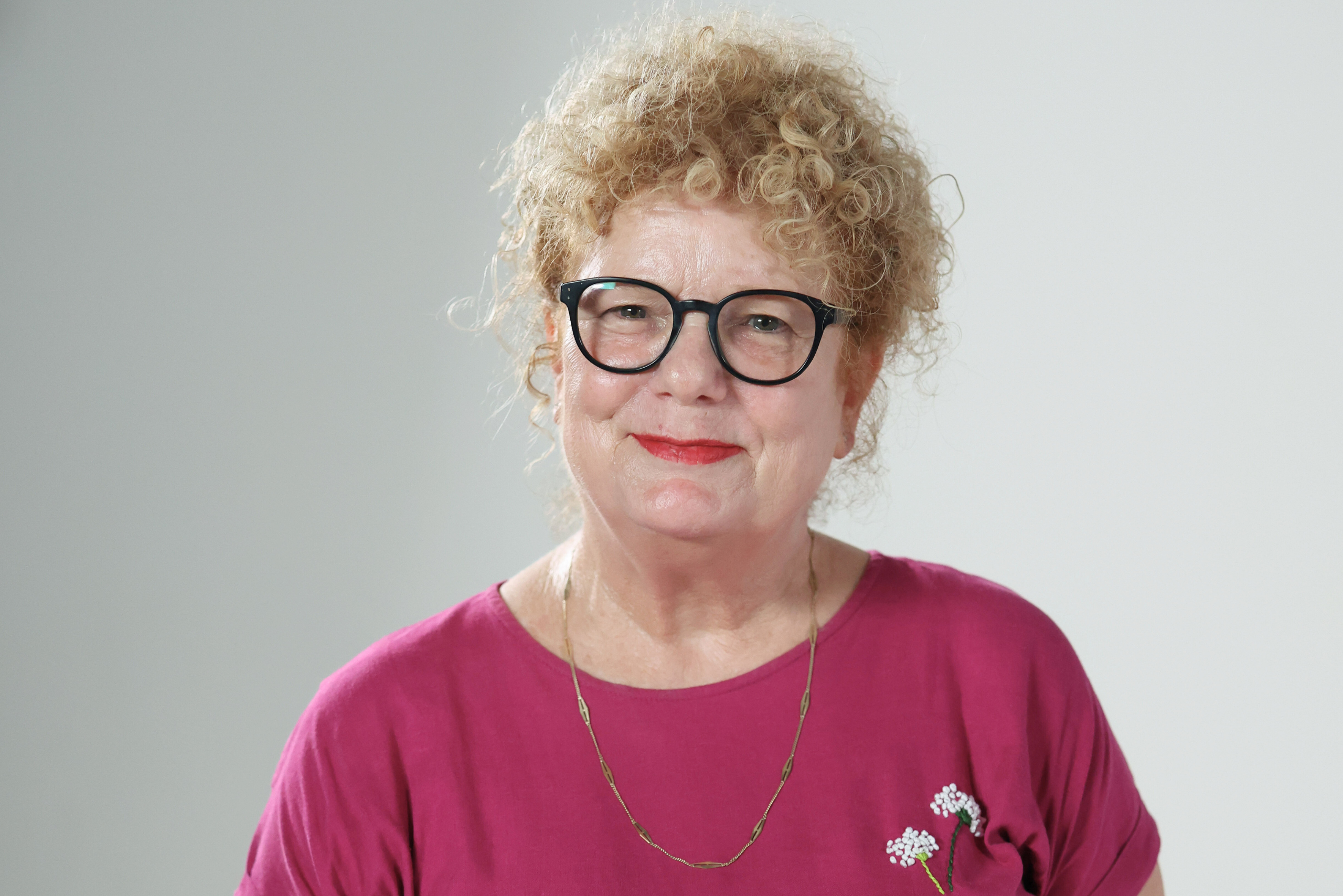
‘Never stop asking questions.’
This is the simple but powerful message that National Older Person’s Reference Group member Michelle Treasure has for those supporting an older person to make their own decisions.
Speaking from her own experience supporting her late mother who was living with dementia – she said that while it can be a challenging role, it’s ‘one of the most wonderful things you can do’.
Supported decision-making requires a cultural mindset shift from doing what you believe is in the older person’s best interests to respecting their will and preferences, even if you don’t agree with it, Michelle said.
‘I did what I thought was best [for my mum], blindly following the medical advice and working within a system that would turn to me for all the answers about mum, often when she wasn’t present.
‘I can now look back and see that there is a better way to ensure the human rights of older people are complied with.’
For Michelle, there was a pivotal moment that caused her mindset shift.
When a nurse asked her if they should change her mother from mashed to puree food – Michelle replied, ‘I don’t know, how about we ask her’.
Michelle noticed her mother’s body language shift – she sat up and replied ‘what a great idea’.
It alerted Michelle to her mother having listened all along even if it hadn’t seemed like it, which then significantly transformed the way she cared for her mother.
What the new Act has changed
Michelle said the rights-based framework of the new Act, if successfully put into practice, reframes the way someone living with dementia is treated.
The right to supported decision-making is now recognised under the Statement of Rights enshrined in the Act. Importantly, it enables older people to make their own decisions or be supported to do so – if they choose to.
Michelle said it used to be that as soon as someone was diagnosed with dementia, they were no longer asked what they wanted.
‘It was just assumed that you had lost complete capacity.’
Under the new Act, everyone from aged care workers, health professionals and providers to registered supporters and family members should assume in the first instance that an older person can make their own decisions about their life, care and services. This also includes My Aged Care representatives.
How to be an effective supporter
Michelle’s message to supporters, including registered supporters, is to be patient and respectful. If you ask a question and they’re unable to answer straight away, don’t rush them, she said.
While it’s not always going to be an easy role, aligning with what the older person wants ensures their dignity and autonomy is upheld, and works out a lot of family difficulties, Michelle said.
‘It’s never too late to start asking questions… don’t stop asking questions.
‘If you get it wrong, apologise. Treat them like anyone else and treat them with respect.’
Michelle acknowledged that balancing risks associated with the person’s preferences can be difficult.
When supporting someone to make a decision, her advice is to:
- make sure the older person is included in the conversation
- ask who they want involved, whether it’s a good time for them, and if they need tailored support such as hearing aid, interpreter or communication pace
- explore and explain all options with the older person including if there is significant risk involved
- let the older person know that the decision can be reviewed and changed whenever they like.
Michelle also suggested when supporting someone who may have or is losing capacity to make decisions to:
- set the scene for important decisions (get everybody and everything prepared)
- show the older person that they matter – call them by their name, look them in the eye and observe their body language
- don’t rush, allow the person to take their time – everyone needs to think about major decisions, they aren’t made in an instant
- explain your point-of-view (particularly when it differs) with compassion and empathy – it may change the outcome when concerns are talked through properly
- record the decision and give feedback to them – for example by saying “great decision”.
Michelle acknowledged that supported-decision making is a learning process and that it’s important to reflect and forgive yourself if you get it wrong.
It’s never too late to start the process again, correct your speech, apologise or ask in a different way, she said.
Choosing the right registered supporter
Michelle also highlighted the importance of having an advance care plan and urged older people to think about putting one together sooner rather than later.
‘You never know when something might happen to you,’ she said.
For older people choosing someone as their registered supporter, she encouraged them to consider appointing someone who:
- knows about the Act and has the understanding to uphold your rights
- you can trust to respect your wishes over what they think is best
- has a copy of your advanced care plan so that they genuinely know your wishes.
If you want to learn more about supported decision-making for yourself or for a family member, OPAN has a supported decision-making toolkit.
For aged care workers and providers, OPAN has created a Supported decision-making eLearning course to help you understand how to implement the framework in daily practice.
You can also listen to Michelle speak as a part of an expert panel for OPAN’s Aged Care Act spotlight: Supported decision-making webinar.