
As Australia’s aged care system continues to undergo significant reform, ensuring older people are heard and supported to exercise their rights remains critical.
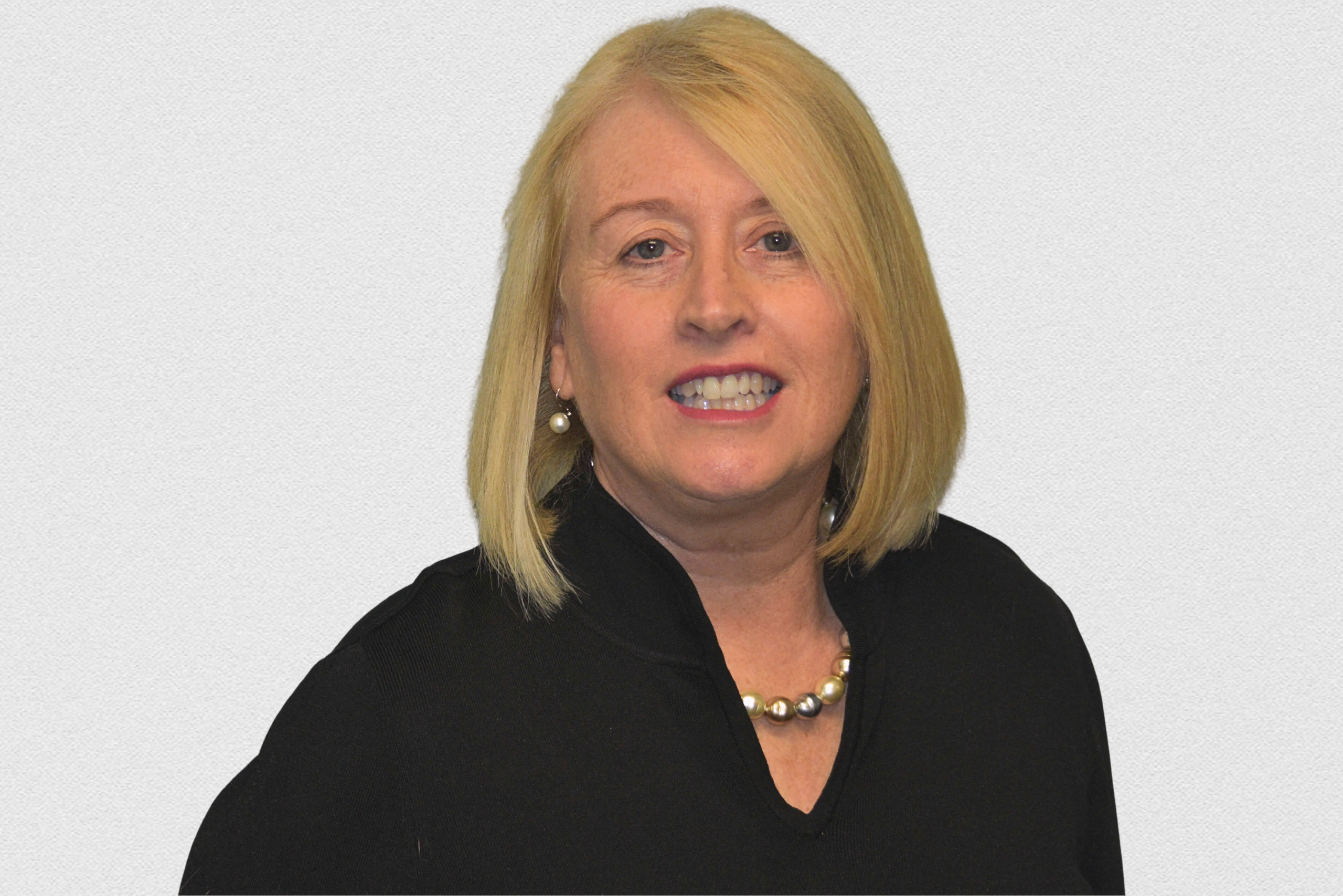
For Carolanne Barkla, that focus has guided her leadership of Aged Rights Advocacy Service – the OPAN member for South Australia – and shapes her reflections as she prepares to step down as Chief Executive.
Advocacy ensures older people have access to free, independent, and confidential support to understand their rights, raise concerns, and make informed decisions about their aged care.
The ‘Statement of Rights’, which is now embedded in legislation since the Aged Care Act 2024 came into effect last year, includes the right for older people to access advocacy support. This reform is critical, Carolanne said.
“It is really important that older people have that right to have an impartial, independent person who can provide them with support, free from conflict of interest, to make sure their voices are being heard on what matters to them.
‘I do think it’s critical. It reinforces to older people where they can go for support and ensures someone can’t be saying to them, “you can’t have an advocate, or you can only have our advocate”.’
While acknowledging that there is still a long way to go, Carolanne said having the Statement of Rights front and centre in the Act was a significant milestone.
‘It’s not totally where we want to be yet – but it’s a big achievement to getting to where we want to be.’
Carolanne said many older people are still unsure of their rights or how to raise concerns and advocacy services can support older people to speak up for themselves.
‘It’s not uncommon for older people or their supporters to call and say ‘I’ve got these issues – what are my rights?”.
‘If you feel comfortable, advocates can help you structure how to have that discussion with the provider and tell them what your concerns are and what you would like to happen.’
This focus on self-advocacy is central. With the right information and support, older people can build the confidence to raise issues directly.
‘I’ve said to providers, sometimes you’ll never know that an older person has engaged with the advocacy service because, with support from advocates, they now have the confidence and they’re doing it themselves.’
At its core, effective advocacy is about ensuring older people feel heard and respected in decisions that affect their lives. But its impact can also extend beyond the individual, Carolanne said.
‘If a service provider puts systemic changes in place to address the experience or issue that the older person experienced, it also benefits others, and that’s a very successful outcome.’
Reflecting on her time in the sector, Carolanne describes it as a privilege to work alongside people committed to improving outcomes for older Australians.
‘It’s certainly been a privilege to work with so many people whose focus is on making a difference to the lives of older people.
‘I’ve met so many people from all generations who are willing to bust ageism, enjoy social connections, and remind us of what it’s like to be part of a community.’
Carolanne said she is encouraged by the growing presence of lived experience and more diverse voices shaping the aged care system.
‘This is so important for democracy and social justice.’
Throughout her tenure, Aged Rights Advocacy Service has continued to innovate – from early work responding to elder abuse through to community-led initiatives – with a consistent focus on upholding and protecting the rights of older people.
As she prepares to leave the role, Carolanne’s message to advocates is this:
‘We are for the rights of all people. Assisting them to understand their rights and raise concerns – it is such important work.
‘Be brave and innovative, and continue to ask older people, “how can we help?”.’